
Former Broadcaster Files Lawsuit Alleging Evidence-Handling Failures by Cheshire County
Keene, N.H. — January 9, 2026
A former broadcaster known professionally as Parker Springfield has filed a civil lawsuit (Case # 213-2026-CV-00006) against the County of Cheshire, alleging that failures in evidence handling by county authorities deprived him of the opportunity to preserve critical digital evidence following a violent assault in 2024.
The plaintiff, Scott Antonivich, filed the complaint this week in Cheshire County Superior Court, asserting claims of negligence, spoliation of evidence, and related statutory and constitutional violations. The lawsuit centers on the handling of a mobile phone Antonivich says he voluntarily turned over to law enforcement after the incident, asking that its contents be preserved and forensically examined.
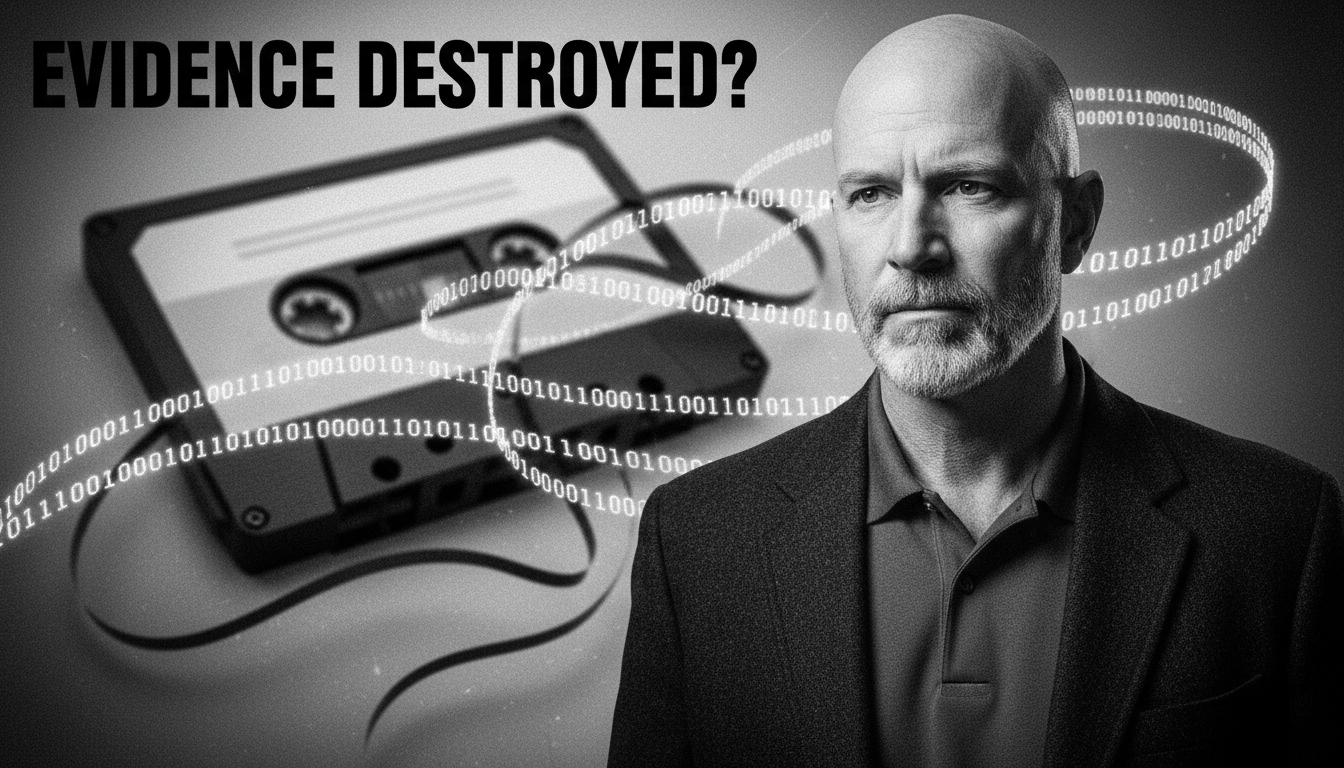
According to the filing, Antonivich alleges that despite repeated requests and assurances that a warrant process had begun, no complete forensic extraction of the device was ever performed. The complaint further states that the device was later authorized for destruction without its contents first being preserved, permanently eliminating the possibility of independent review.
The lawsuit does not seek to revisit the outcome of juvenile court proceedings connected to the underlying incident, which remain confidential under New Hampshire law. Instead, it focuses on what Antonivich describes as administrative and ministerial failures in evidence preservation that, he says, impaired his ability to defend his reputation and pursue related legal and professional remedies.
In the complaint, Antonivich outlines the harm he attributes to the alleged failures, including emotional distress, reputational damage, and the disruption of his professional life. He also claims that the loss of the device foreclosed his ability to challenge disputed digital narratives through independent forensic verification.
Antonivich has drawn comparisons between his experience and prior cases in New Hampshire that raised concerns about evidence handling, including a widely reported incident in which a woman was jailed after police relied on social media accounts later determined not to belong to her. An official review later faulted investigative shortcomings in that case, concluding that deficiencies in digital evidence verification contributed to the harm suffered by the accused.
While the two matters involve different facts and legal contexts, Antonivich argues that both highlight the consequences that can arise when evidence is not fully preserved or independently verified.
“This case is not about relitigating confidential matters,” Antonivich said in a written statement. “It is about whether basic evidence-handling responsibilities were met, and whether a victim’s right to fair treatment includes preserving the very evidence he provided.”
The County of Cheshire has not yet filed a response to the complaint. As with all civil litigation, the allegations remain unproven unless and until they are established in court.
Legal analysts note that lawsuits involving evidence preservation often turn on whether officials had a clear ministerial duty to act and whether they had notice that materials would be relevant to foreseeable litigation.
Antonivich, who built his career in broadcasting under the name Parker Springfield, is seeking compensatory damages as well as declaratory relief clarifying the obligations owed to crime victims regarding evidence handling and access to the courts. A jury trial has been requested.
Because aspects of the underlying matter remain subject to statutory confidentiality protections, the parties and the court are expected to continue observing strict limits on what information may be publicly disclosed as the case moves forward.