
How The System Failed Rob Reiner and His Family: Drug Courts, Addiction, and Mental Health Ethics
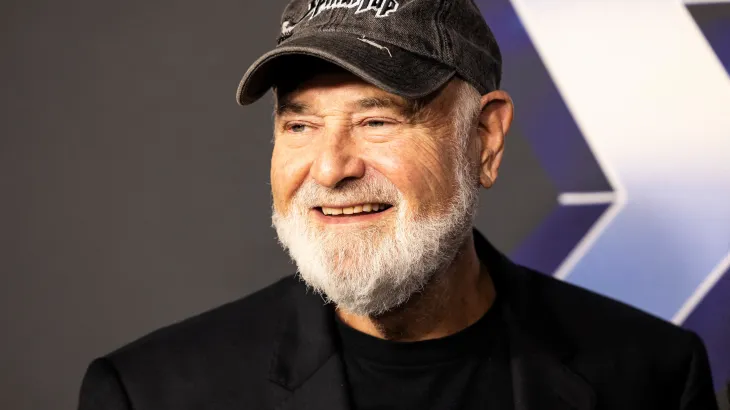
There are stories that stop you cold. Stories that reach into the part of your chest where fear and love collide. When the world learned that Rob Reiner and his wife Michele were gone and that their son was at the center of the tragedy, the public saw shock. But families who have lived inside the storm of addiction saw something different. They saw a system that once again promised help, delivered structure, and then quietly stepped aside while a human being continued to unravel.
Nick Reiner was not a mystery. He did not hide his struggle. He lived it in the open. He cycled in and out of rehab programs. He battled periods of homelessness as a teenager. He found short moments of sobriety and then fell again. For a brief time, he was stable enough to co-write a film based on his own life. But nothing in the system was designed to keep him stable. Everything was momentary. Nothing was connected. Every improvement was temporary because every safety net had a timer attached.
That is the part society never wants to talk about. We blame the individual, not the structure that repeatedly abandons them.
How the System Failed Rob Reiner and His Family

Addiction is not a single event. It is a series of moments stacked on top of each other until a person can barely remember who they were before the decline. Nick entered treatment young. He went through detox programs, residential programs, outpatient support, and recovery-focused environments that gave him structure only for a short burst of time. Each time he emerged, the scaffolding collapsed. Whatever progress he made inside a facility evaporated once real life resumed.
Parents caught in this position do what families like the Reiners did. They trust the professionals. They trust the diplomas on the wall. They trust the mental health workers who claim to know the path forward. And when everything collapses later, the parents are left wondering why they trusted the wrong voices.
Drug Courts Were Sold As Compassion. They Became Compliance Machines.
Drug courts have a carefully polished image. They promise treatment instead of incarceration. They promise support instead of punishment. They promise understanding instead of judgment. But drug courts do not understand addiction. They understand compliance. They understand checklists. They understand attendance sheets. They understand punishment disguised as accountability.
Relapse is part of addiction. Drug courts treat relapse as defiance. Missed appointments become disciplinary issues instead of clinical warning signs. Struggle is mistaken for resistance. Instability is punished instead of treated.
Families are told this is help. What the system is actually offering is supervision without support. Monitoring without therapy. Structure without science.
Drug courts do not treat addiction. They manage it until the person moves beyond their jurisdiction. And once the monitoring stops, the person often collapses back into crisis because nothing was actually healed.
The Hidden Crisis: Unethical Mental Health Workers

There is another layer to this tragedy that polite society avoids. The mental health field contains many competent and ethical professionals, but it also contains individuals who behave unethically, incompetently, or manipulatively while hiding behind credentials.
And I know this firsthand.
In the violent situation I was pulled into last year, four different mental health workers are now under active New Hampshire state investigation for serious ethical breaches. Not borderline mistakes. These were deliberate violations. They pushed a narrative instead of seeking truth. They embraced emotional assumptions instead of evidence. They amplified a long documented history of parental alienation and treated it as fact without questioning the source or the motive behind it.
That is how unethical clinicians operate. They do not investigate. They confirm. They do not analyze. They reinforce. They latch onto a storyline and shape their evaluation around it. And once they do that, a parent becomes powerless to correct the record because courts treat their opinions as credible even when their work is unreliable.
These workers mislabel children. They distort the intentions of healthy parents. They create emotional and legal realities that do not match the facts. And they rarely face consequences even when the damage they cause is irreversible.
Now imagine that dynamic applied to a family fighting addiction as severe as the Reiners. Imagine how easily the wrong clinician could steer the treatment plan off a cliff. Imagine how often the Reiner family may have been told to distrust their instincts. Imagine how many professionals treated Nick as a manipulator instead of a patient in crisis. Imagine how many critical decisions were influenced by workers who misunderstood addiction or preferred the comfort of a narrative over the discomfort of uncertainty.
This is the part of the Reiner tragedy, and my own, that most people will never fully understand.
A Family That Gave Everything and a System That Gave Nothing Back
Friends of the family said the Reiners did everything humanly possible. Every program. Every appointment. Every intervention. Every sacrifice. They were not absent parents. They were not indifferent. They were not uninvolved. They were fighting a system that was designed to look helpful while providing nothing that could actually save their son.
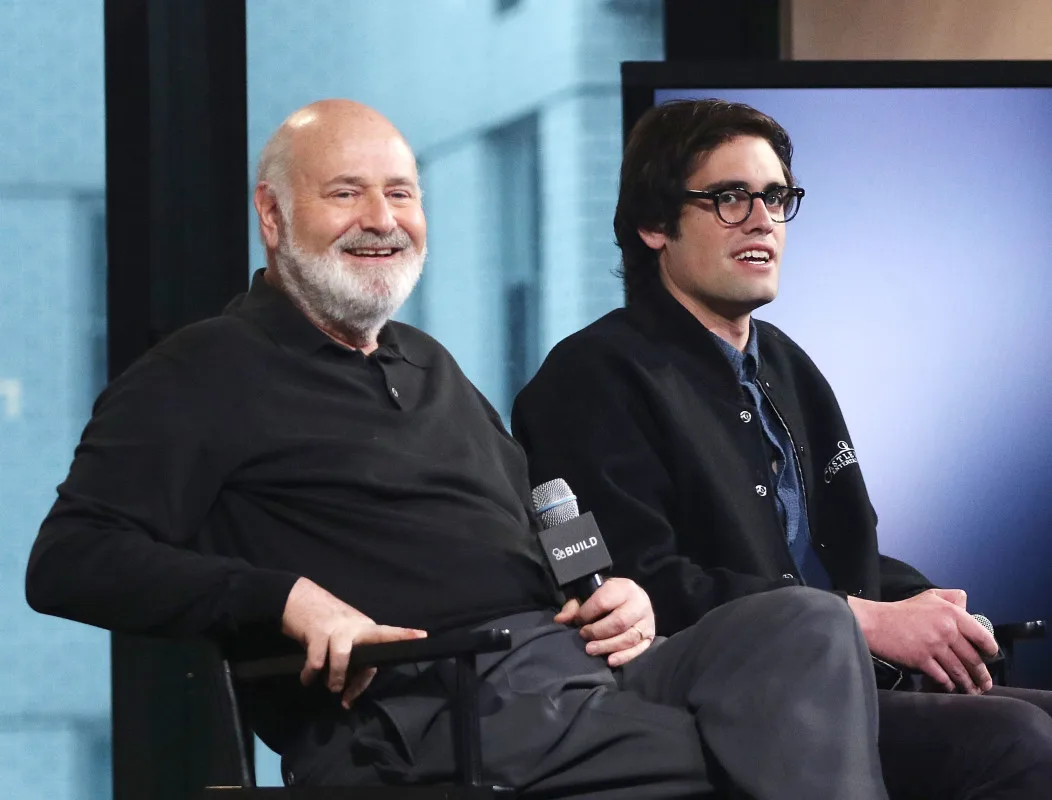
Nick often rejected treatment programs because he felt they were not helping. In his own words, if he refused the programs recommended to him, he ended up homeless. When a system responds to autonomy with homelessness, it is not a system. It is a threat.
Rob and Michele knew the danger. They admitted publicly that they feared the story might end in tragedy. Parents feel these things long before outsiders do. They see the signs. They hear the subtle shifts. They sense the storm forming. But they cannot force the system to move faster or act more intelligently.
This Was Not Fate. It Was Systemic Failure.
The argument at a party the night before Rob Reiner was killed was not the cause of the tragedy. It was a symptom. People noticed Nick acting strangely. He was in crisis. He needed immediate intervention. But systems do not move for people in crisis. They do not adapt. They do not escalate care. They wait until tragedy forces them to react.
And when they finally react, it is already too late.
Nick needed long term, continuous, medically grounded treatment. He needed a structure that did not evaporate the moment he walked out of a building. He needed clinicians who cared about truth instead of narrative. He needed a court system that understood addiction instead of policing it.
He needed help that never came.
What Happened to Rob Reiner Should Force a National Reckoning
Hope is not treatment. Compliance is not recovery. Supervision is not therapy. Credentials are not proof of ethics.
If America wants fewer tragedies like this, it must stop pretending its addiction infrastructure works. It must confront the reality that many mental health workers behave unethically. It must acknowledge that drug courts are structurally incapable of treating severe addiction. It must recognize that parental alienation narratives can shape professional opinions with devastating consequences.
The Reiner family gave everything. The system gave nothing. And now two lives are gone and one life is shattered because institutions designed to protect families instead abandoned them.
This did not have to happen. That truth stays long after the headlines fade.


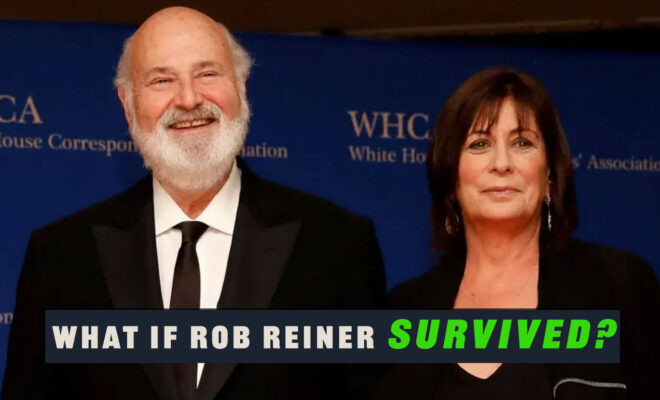
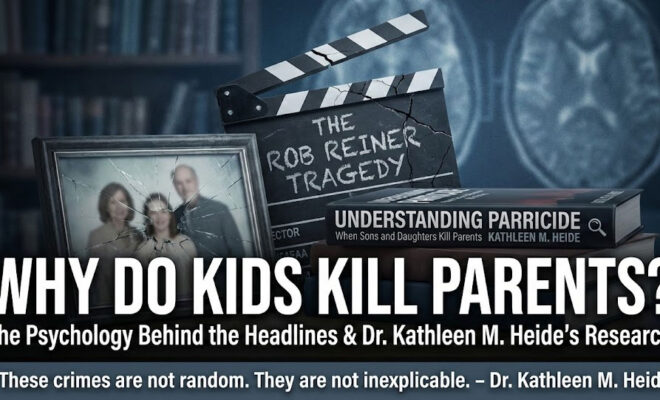


I believe the source problem with Nick Reiner was his schizophrenia, and the drug addiction exacerbated the schizophrenia until he reached the point of no return and he killed his parents. Yes — we need drug addiction and all its horrors to come out of the closet, but so does schizophrenia, and together they increase the likelihood of behavior turning lethal. Nick Reiner showed signs of schizophrenia when he was very young. He should have been institutionalized then in a mental health facility with an array of compassionate counselors to help him, but with no chance of release. When there is a cure for this terrible disease, then folks like Nick Reiner may be cured and possibly released. Right now it is a guessing game, and psychotics can start hearing voices or having hallucinations at the drop of a hat, and no one around them would know, and they could pull out a knife and stab you with no word of warning. That’s why they cannot be released to the public where they can kill innocent people. All pertinent laws need to be changed to recognize this fact.